Why choosing the right running shoes matters
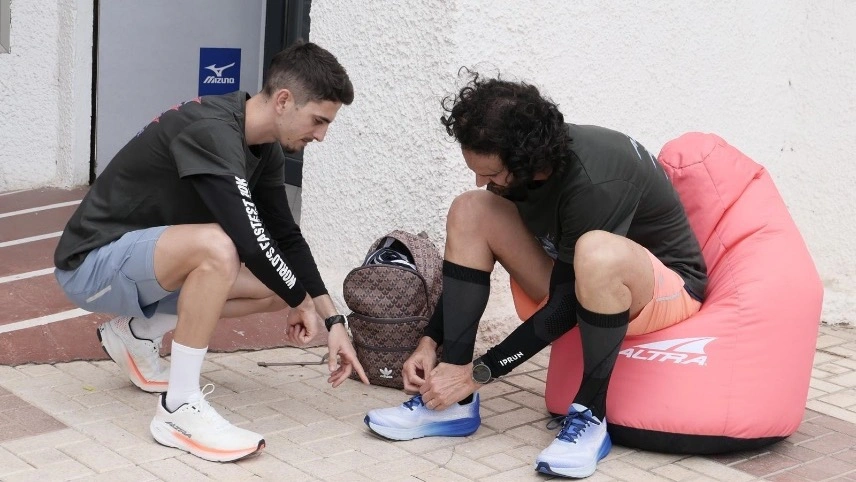

Choosing a pair of running shoes might seem like a straightforward decision, but it is actually one of the most important factors in enjoying your running, improving performance and reducing the risk of injury.
Many runners, especially beginners, pick their shoes based on looks, brand, price or general recommendations. Yet the ideal shoe is not the same for everyone: each person has different characteristics that directly influence the choice, such as gait type, body weight, running experience, typical training distance or the surface they run on.
From experience working in a specialist running shop, it is common to see runners who arrive after experiencing niggles or injuries, and in many cases the root of the problem is linked to a poor shoe choice. That is why choosing the right shoes does not just improve comfort; it can also make or break the continuity of your training.
Why choosing the right shoes is so important
Running shoes are the main point of contact between you and the ground. During a run, every stride can produce an impact of two to three times your body weight, creating a repetitive load on joints and muscles.
This means a good running shoe needs to fulfil several functions at once:
- Cushion the impact.
- Provide stability.
- Promote an efficient stride.
- Match the runner's biomechanics.
For example, a runner who trains three times a week can produce between 15,000 and 25,000 impacts per foot. If the shoes are not suitable, that repetitive volume can increase the risk of muscle overload, knee pain, Achilles tendon problems or plantar fasciitis.
On the other hand, getting the right shoes translates into greater comfort during training, a lower risk of injury, a more efficient stride and better adaptation to progressive training.
The most common mistake when choosing shoes
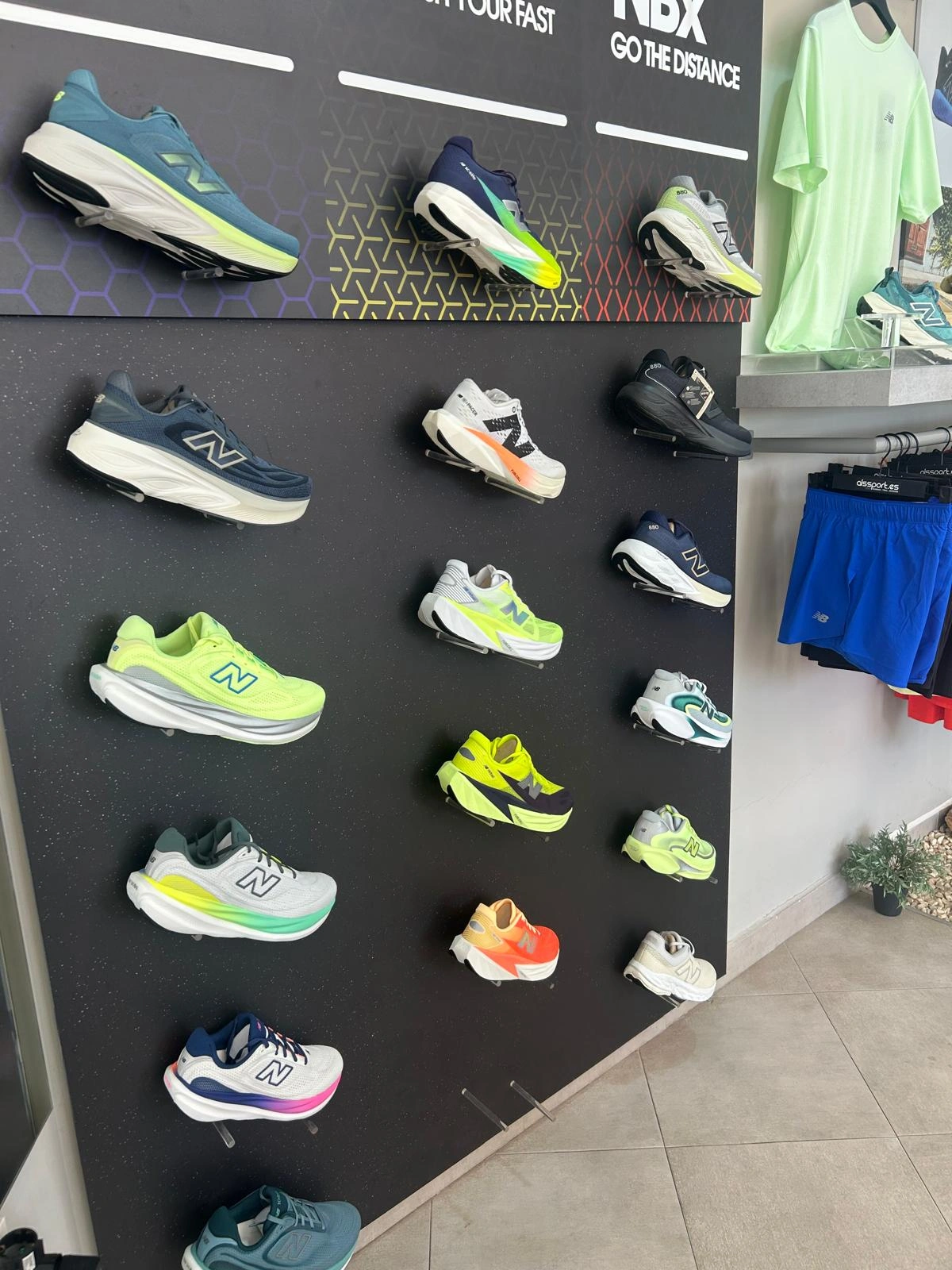
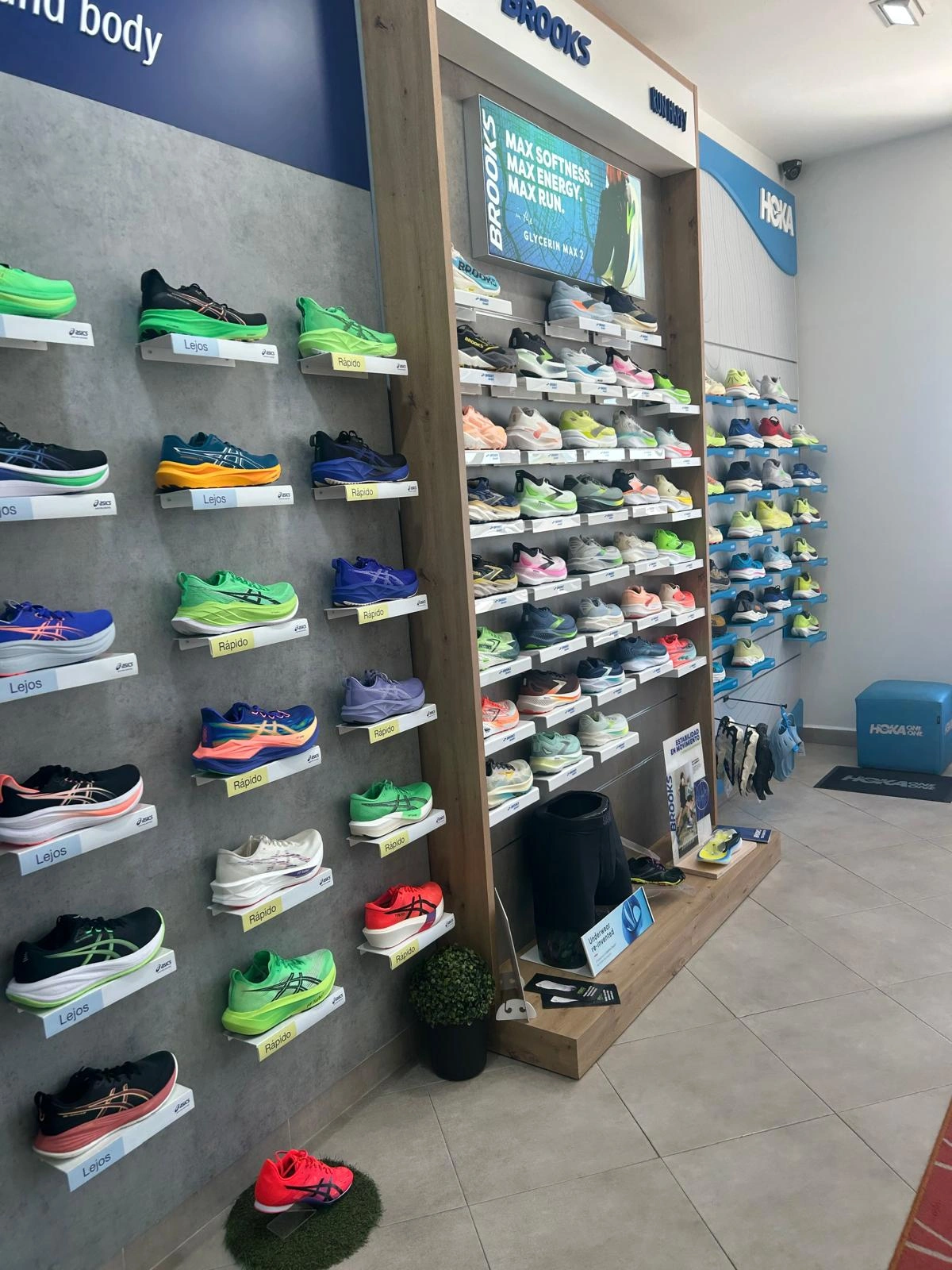
One of the most common mistakes is picking the same shoes another runner uses. You hear it all the time: "a friend recommended these", "they're what a professional runner wears" or "I saw they're the most popular".
This approach can be problematic because every runner has different characteristics. A 60 kg runner who trains at fast paces may need a lightweight, responsive shoe, whereas an 85 kg runner who is just starting out probably needs more cushioning and stability. Both cases call for different shoes, even if they are preparing for the same distance.
It is something you see every day in specialist shops: there is no perfect running shoe, only the right shoe for each runner.
Key factors for choosing the ideal shoe
There is no universal formula for finding the perfect running shoe, but there are several factors you should always consider: gait type, the runner's weight, training distance and surface type. Let's go through them one by one.
Gait type: the starting point
One of the first things analysed when looking for running shoes is gait type. This analysis helps to understand how the foot contacts the ground and how loads are distributed during running.
Three main types are generally identified:
- Neutral gait.
- Overpronation (excessive inward roll).
- Supination (outward roll).
These patterns directly influence the type of shoe recommended. In many specialist shops, the analysis is carried out on a treadmill, filming the movement from different angles to observe:
- The angle of foot strike.
- Ankle stability.
- Knee and hip alignment.
- The type of landing (heel, midfoot or forefoot).
This process makes it possible to recommend models with more stability, cushioning or flexibility depending on the runner's needs.

Runner's weight: a decisive factor
Body weight directly affects the amount of cushioning needed. Not all runners require the same level of protection:
- Lighter runners → lighter and more responsive shoes.
- Heavier runners → more cushioning and stability.
As we have seen, the impact force with every stride is considerable. The higher the body weight, the greater the demand on joints, making it all the more important to get the cushioning level right.
Distance and shoe usage
Choosing shoes for daily training is not the same as choosing for racing, long runs or getting started with running. Each use has its own priorities:
Daily training
- More cushioning.
- Greater durability.
- More comfort.
Racing
- Lower weight.
- Greater responsiveness.
- Less cushioning.
Many experienced runners even use more than one pair of shoes, rotating them depending on the type of session. In fact, rotating between two models is an increasingly common piece of advice, especially among those preparing for a half marathon, a marathon or incorporating quality sessions into their training plan.
The surface you run on
Another key consideration is the type of surface:
- Road: cushioning, comfort and durability.
- Trail: grip, stability and protection.
- Track: lightness and responsiveness.
Using road shoes on trails, or the other way round, can shorten the lifespan of the shoe and increase the risk of discomfort or slipping.
What really happens in a specialist shop
When you visit a specialist running shop, the fitting process usually follows several steps:
- Initial conversation about the runner's goals.
- Gait analysis.
- Trying on different models.
- Checking the fit and comfort.
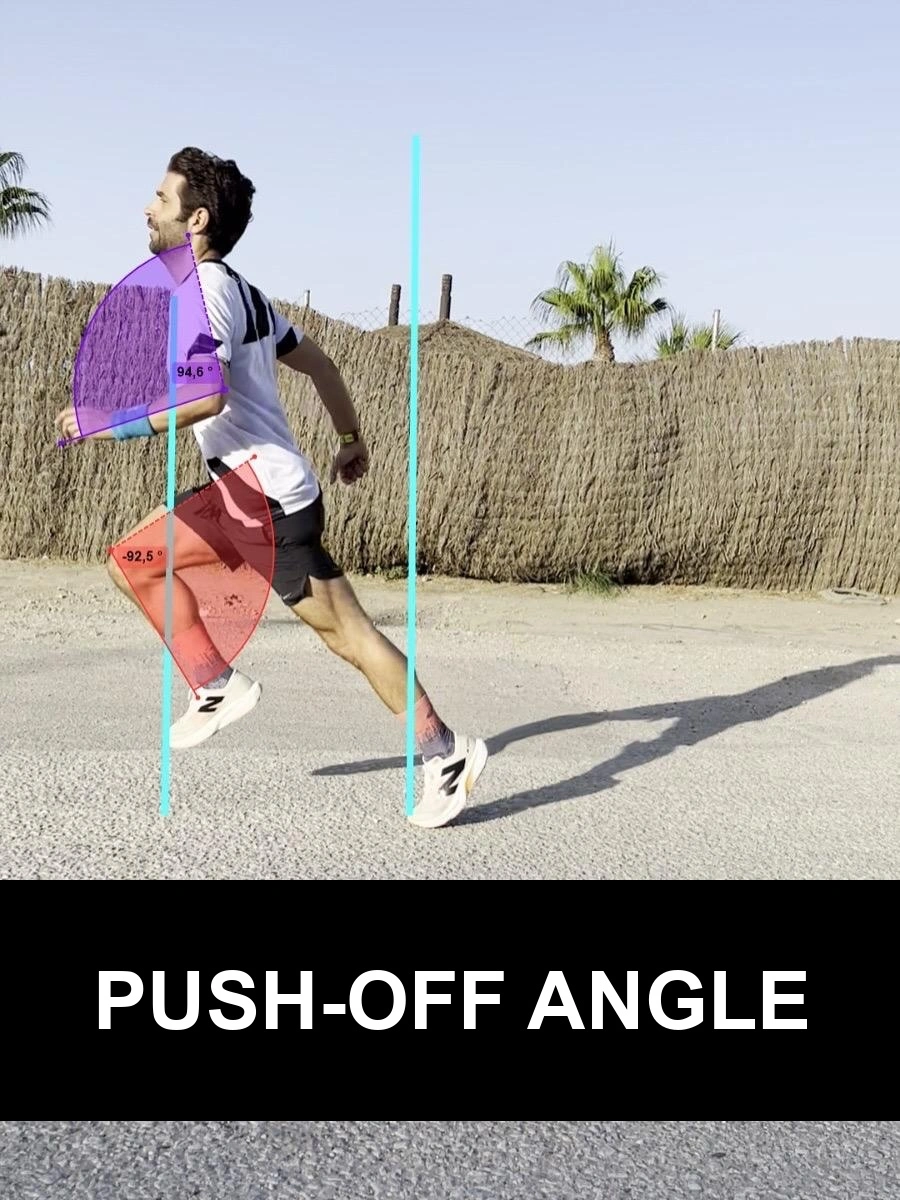
On top of that, many shops use biomechanical analysis technology that can assess weight distribution, movement patterns and stride efficiency. Some systems analyse dozens of biomechanical metrics in just a few seconds to refine the shoe recommendation, giving both the fitter and the runner greater confidence in the choice.
Practical tips from the shop floor
A few tips worth keeping in mind:
- Don't choose on looks alone. Design should not be the deciding factor.
- Always try several options. Every model feels different.
- Leave room in the toe box. Your feet swell during a run.
- Try shoes in the afternoon. Your feet tend to be slightly swollen.
- Never race in brand-new shoes. Break them in during training first.
These small details can make a big difference to comfort and performance.
How often should you replace your shoes?
The average lifespan of a running shoe is between 500 and 800 kilometres. However, this depends on the runner's weight, the surface, the type of shoe and how often you run.
Some signs of wear to look out for:
- The cushioning no longer feels as responsive as it used to.
- The outsole is visibly worn down or smooth.
- New aches appear that you did not have when the shoes were in good condition.
When one or more of these signs show up, it is a good time to consider replacing them.
Why we recommend a biomechanical assessment before choosing your shoes
Before picking the ideal shoe, it is worth going a step further and understanding how your body behaves during running. Every runner has a different biomechanical profile, and understanding yours leads to much better decisions.
A biomechanical assessment goes beyond the gait analysis we mentioned earlier: it evaluates cadence, running technique, vertical oscillation and potential muscular or joint imbalances that, over time, could lead to discomfort or overuse injuries. In fact, two runners with the same weight and level may need completely different shoes depending on the way they run.
In practice, many runners arrive at the shop after trying several models without success. Biomechanical analysis makes it possible to better understand their actual needs and offer a truly personalised recommendation. The goal is not simply to sell a shoe, but to help the runner find the model that best suits the way they run.
Conclusion
Choosing the ideal running shoe is not just about brand or looks. It is a decision that deserves time and should be based on the runner's characteristics, the type of training, the surface and individual biomechanics.
The difference between the right shoe and the wrong one can translate into greater comfort, better performance and fewer trips to the physio.
Because, in the end, a good running shoe is not the most popular one... it is the one that fits you best.