La Diagonale des Fous
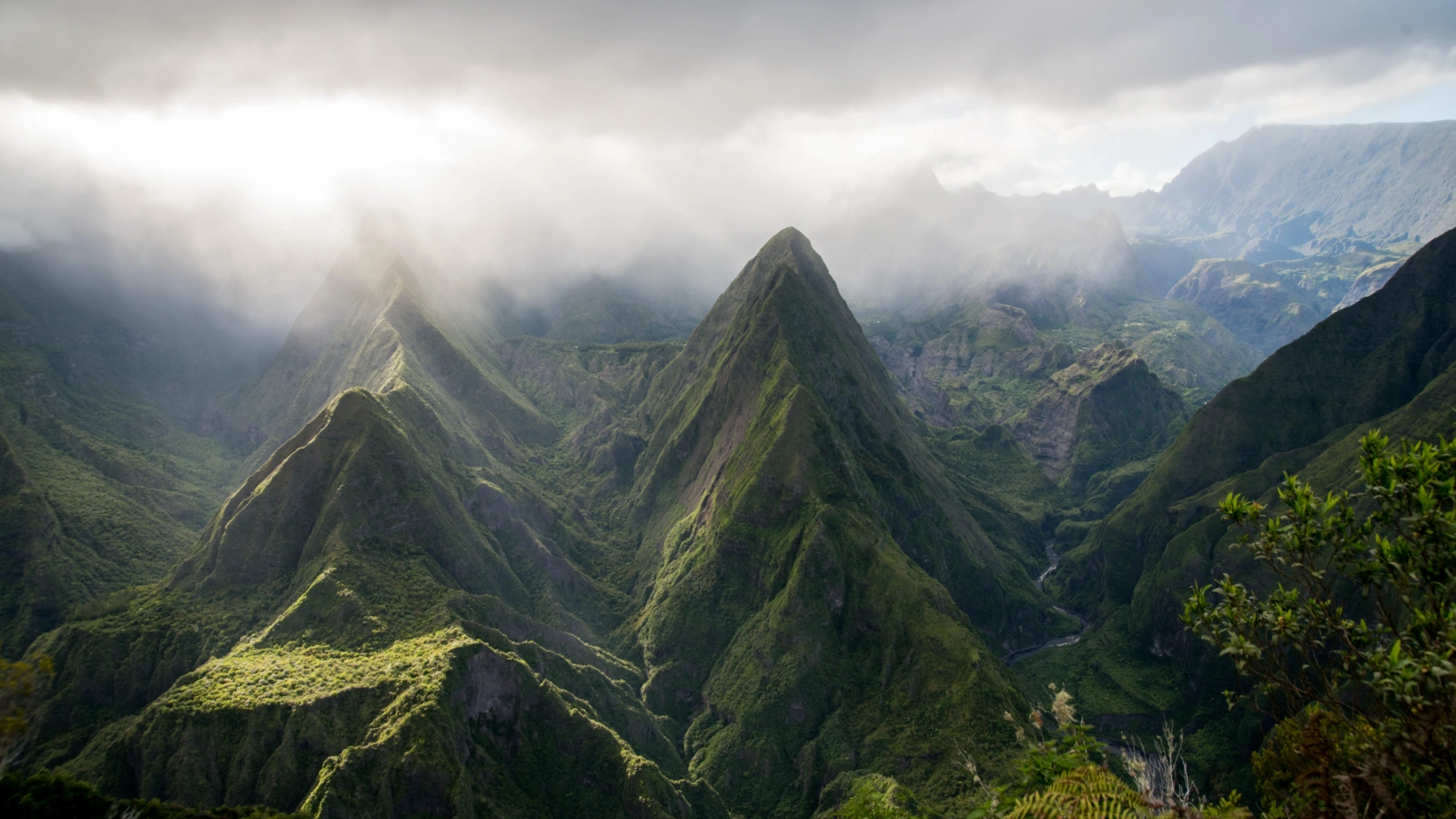
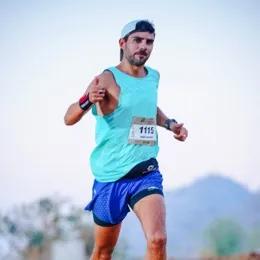
La Diagonale des Fous is far more than a race — it's a rite of passage for anyone who wants to find out what they're truly made of. Finisher or not, no one comes out unchanged: it shakes you, strips you bare, reveals who you are. I lined up at the start twice, alongside 3,000 other mad souls, all driven by the same question: what would this race take from us, and what would it give back?
Trail running, Réunion style
Having lived on Réunion Island for three years, I had only heard of La Diagonale des Fous through television reports. Ultra-trail running seemed like a discipline that was out of reach , surreal, even. Born the same year, the "Diag" and I were perhaps destined to meet, 35 years later.
I discovered trail running here far from social media, running apps, and publicised feats , simply by watching runners roam the trails of their island. On Réunion, mountain running is not just any sport; it is a connection to the island's history, to its past. Many trails were originally carved by enslaved people seeking freedom deep within the island's cirques and mountains, which were virtually inaccessible at the time. Several races honour this heritage: the Trail de Villèle, the Trail Charette, the Relais des Marrons.
Trail running here is also a popular and, above all, multigenerational sport. It is not uncommon to see men and women, sometimes over 70, treading the trails, competing in races, and being cheered just as loudly as the winners. Every race is a celebration. Family and friends gather along the course or outside their homes to encourage the runners. But it is in early October that the whole of Réunion reaches fever pitch, ready to celebrate the Grand Raid a few days later. Among its events, La Diagonale des Fous stands as one of the most famous and most gruelling ultra-trails in the world: 175 kilometres, over 10,000 metres of elevation gain, a complete crossing of the island from the foothills of the volcano to the heart of the cirques.
From myth to reality
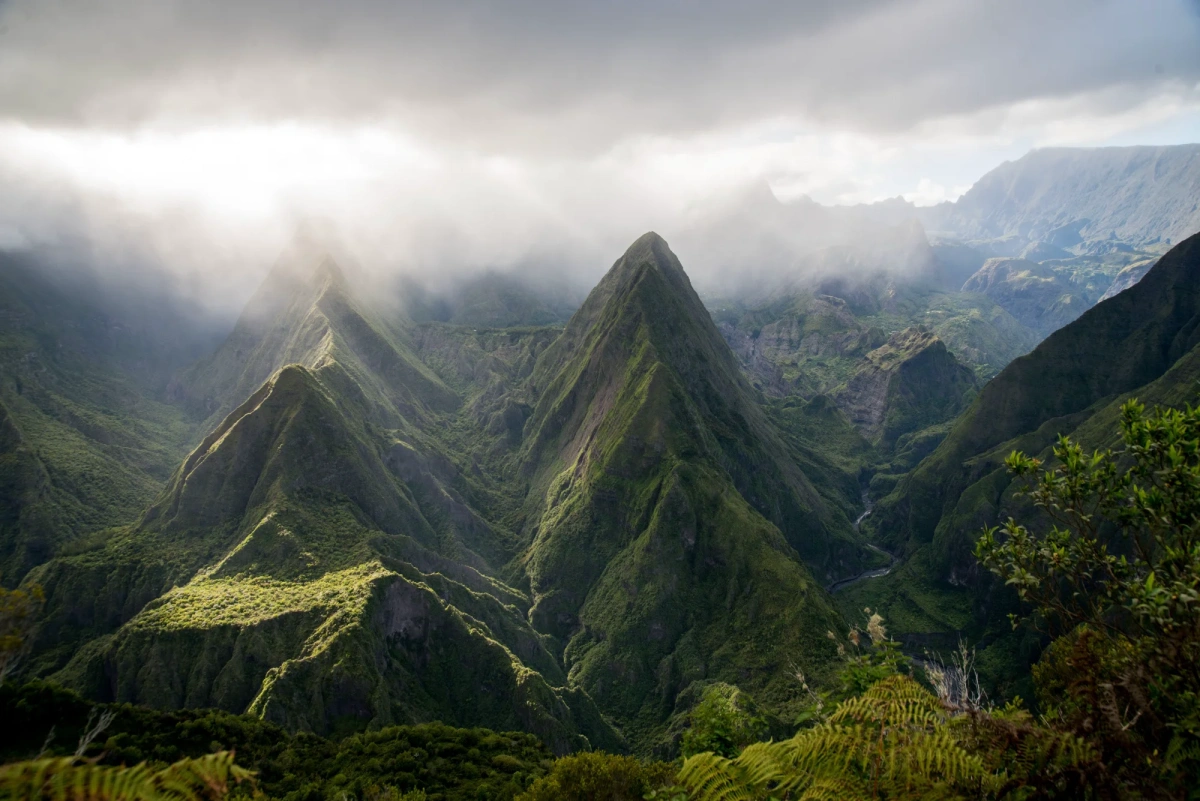
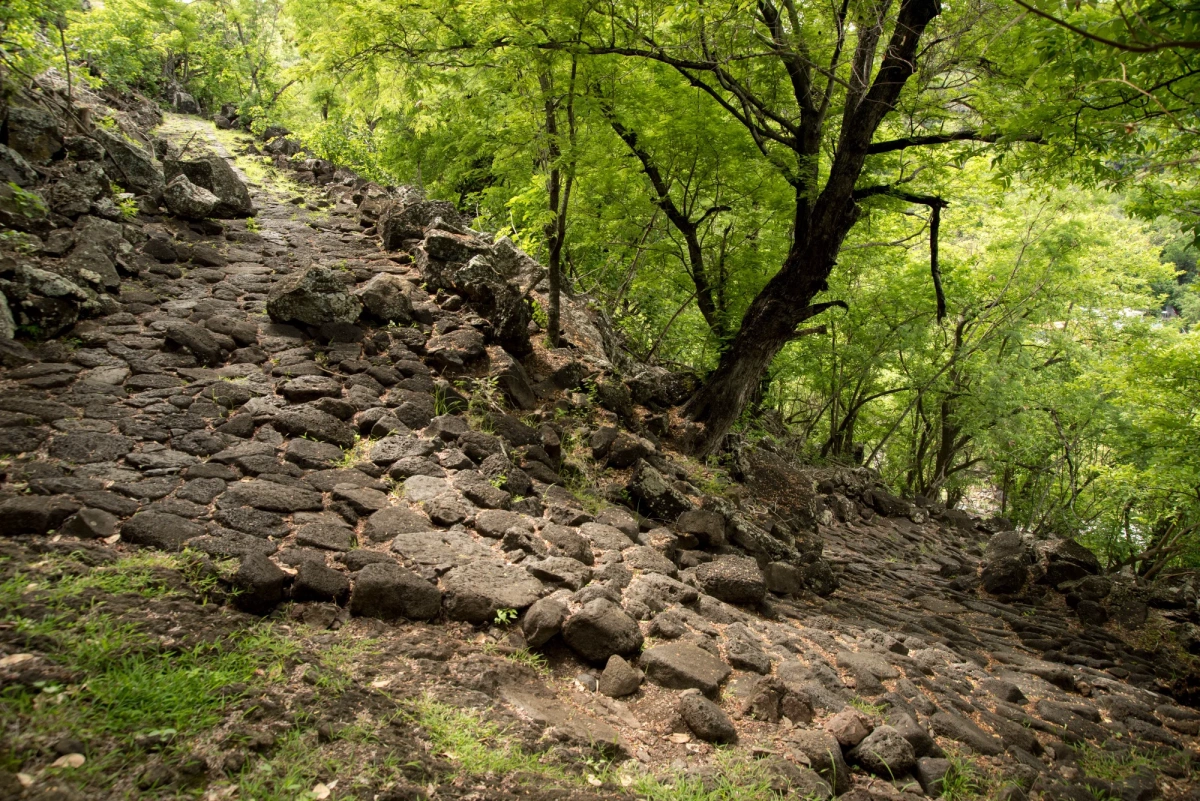
Since arriving on Réunion, I have been in awe of the Cirque de Mafate, the "trail runner's paradise". There are no roads there; everything is done on foot along steep, rocky trails. I wore down my soles on the legendary cobblestones of the Chemin des Anglais and sank up to my calves on the Mare à Boue trail.
Eager to discover Réunion's trail culture, I pinned on my very first race numbers without any proper preparation. I developed my first bouts of tendinitis and learned from my mistakes. A case of heat exhaustion and hyponatraemia alone in Mafate one Sunday evening, where I narrowly avoided a serious incident, taught me the importance of mineral-rich hydration. I learned to listen to my body, to know my limits , it was an entirely new inner landscape I was discovering.
It was during the Trail de Bourbon, little sister of the Diagonale, that I first encountered the questions every ultra runner knows: "What am I doing here?", "Why am I putting myself through this?", and the inevitable "Never again!". I would later learn that these low points and doubts are an integral part of this sport, and that once you cross the finish line, the desire to go back is only stronger. During my race, I rubbed shoulders with the Diagonale's "fous" , those at the back of the pack, flirting with the cut-off times. Their exhausted faces, their vacant stares, and their haggard bodies wrapped in survival blankets in the dead of night left a mark on me. And, perhaps seeking to understand what had driven these men and women to push themselves to their absolute limits, I began to picture myself on the start line of the most beautiful and most legendary race on Réunion.
A ticket to the Diag!
March 2024 , confirmation came after the lottery: I would be taking part in the 32nd edition of La Diagonale des Fous! Seven months to train for an objective that some prepare for over many years. I planned long mountain outings alone, which helped forge my mental strength, dialogue with myself, and encourage myself through the tough patches. I also had the privilege of being able to recce the entire course. Thorough visualisation of the route and mental projection into the race are crucial. You also need to be able to cope, within the space of a few hours, with the shift from freezing cold to stifling heat. That makes me admire even more the mainland French and international trail runners discovering Réunion's trails for the first time on a Diagonale.
I decided to run the entire race without assistance, making use of the option offered by the organisers to leave spare kit bags that I could collect at the Cilaos and Savannah aid stations. It was not the easy option, but I imagined it would keep me focused on my race, without having to worry about hitting split times for support crews or forcing them to pull all-nighters. Knowing my loved ones would be at the finish , and only there , would be extra motivation to hold on. This choice paid off for me, and I made the same decision a year later on my second Diagonale.
In early October, the first trail runners begin arriving on the island, local radio and television coverage revolves around the Grand Raid, and the excitement builds.
An unforgettable start
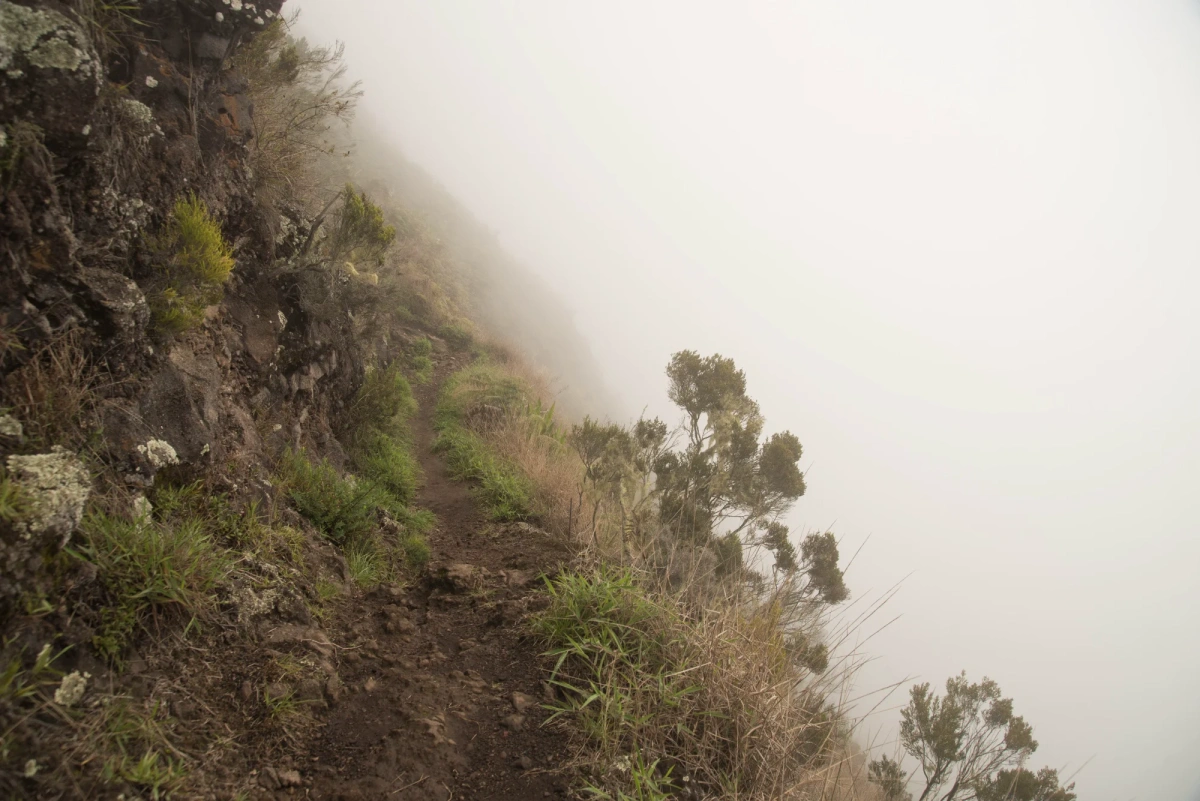
To my great surprise, I am not stressed , simply happy to be there, eager to start after so many long months of preparation. I can barely comprehend that just a few years ago, La Diagonale des Fous was nothing more than a brief item on the evening news for me. 10 p.m., the gun goes off. For over five kilometres, a huge crowd lines both sides of the road. People shout, sing, dance. The atmosphere is magical; I get goosebumps. I high-five as many hands as possible to carry all the warmth and strength of Réunion with me into the cold and the night ahead. The sunrise over the Plaine des Cafres, with the Piton des Neiges in the distance, is magnificent. My legs feel fine and morale is good, boosted by the cheers of the crowd in Cilaos. We enter the Cirque de Mafate in driving rain; the second night looks set to be tough. The ascent of the Maïdo is a calvary , 1,800 metres of elevation gain crammed into barely nine kilometres. It is dark, cold, and the fatigue is crushing. I climb with another runner; we help each other by taking turns leading every 100 metres. That moment was so hard to manage that, a year later, I resolved to do everything I could to get out of Mafate as quickly as possible so I would not find myself at the Maïdo again in the middle of the night, exhausted and freezing. It is at this point that an unfamiliar pain awakens and begins to nag. A doctor diagnoses tendinitis of the tibialis anterior in my left foot, likely caused by the particularly slippery terrain forcing a change in my stride. From the Maïdo to the finish, I can no longer run , only endure, painfully, the technical terrain of the Sentier Kalla, the Chemin des Anglais, and the descent of the Colorado. It took me over 47 hours to conquer one of the toughest ultras on the planet.
I cross the finish line with a strange blend of frustration , at not having been able to finish my race in good condition , and satisfaction , at having held on despite everything and discovered within myself a strength and determination I never knew I had.
A score to settle
But slowly the desire to do better creeps in , to correct the mistakes made, to take on this monument of trail running once more, to find something else there, perhaps. Back on the start line of La Diagonale des Fous, I approach the race with better preparation, this time carried out within a club, and the ambition to chase a time. No strict plan or estimated split times; the goal is simple: enjoy it, not hold back if the legs feel good, and exit Mafate at the start of the second night to avoid the cold. The opening hours confirm that my first experience is a precious asset. I set off at a good pace, with a smoother stride and a much lighter pack than the previous year. The race unfolds beautifully , no low points, no self-doubt , I find myself in the top 100, an outcome beyond my wildest hopes. I strike up friendships with several runners and we share the kilometres. But this time, another factor spoils the party. A poorly absorbed drink triggers relentless vomiting. Unable to swallow a single drop of water and completely dehydrated, the doctor pulls me from the race just 20 kilometres from the finish. I will not be a finisher this year. Disappointed, exhausted, I console myself with the words of Éric Lacroix, a renowned coach and trail runner, who in one of his articles writes that "dignity is not reserved for those who cross the line, but also for those who, in the pain of the unfinished, still find meaning in their diagonale." And in mine, even unfinished, I found far more than I had come looking for.
A few tips for those who dream of the Diagonale
-
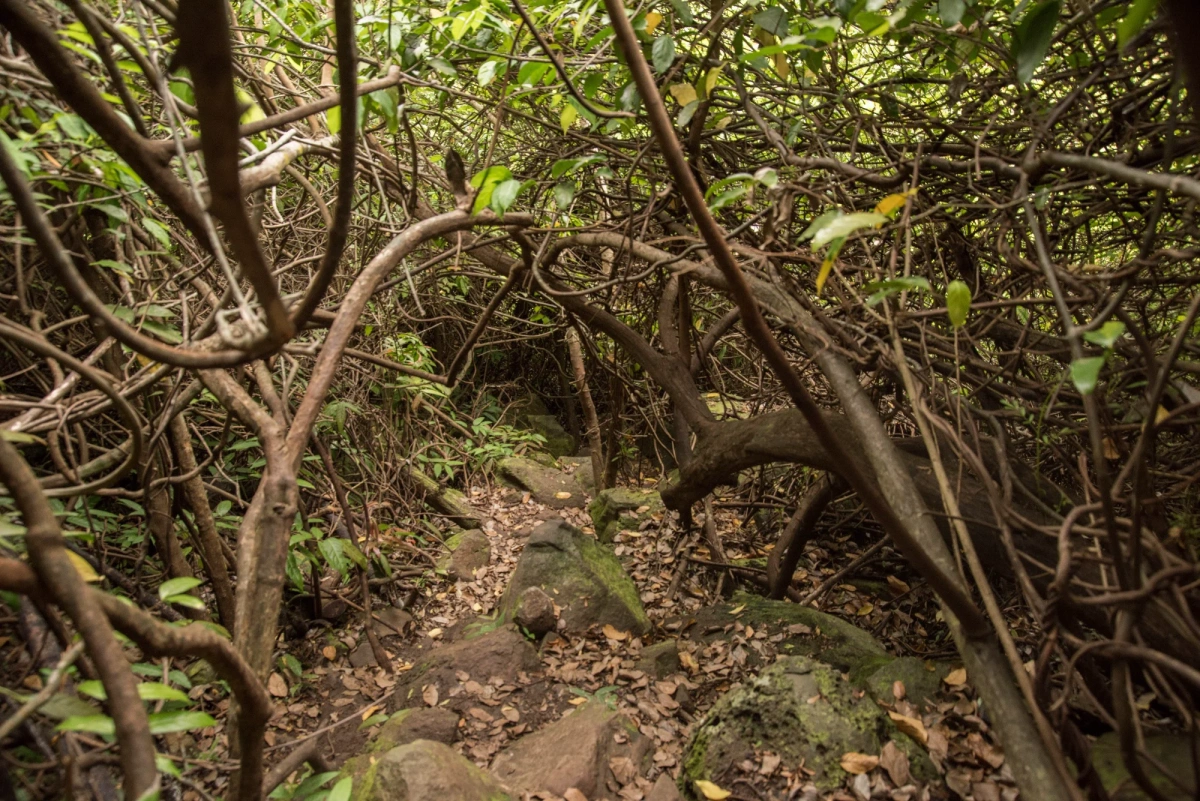
Several months of specific physical preparation are essential to tackle the technical terrain of Réunion's trails. Having a coach or experienced trail runners by your side is invaluable.
-
There are several discussion groups dedicated to the Grand Raid races on social media where you can get answers to your questions about gear, nutrition, or logistics on the ground.
-
Familiarity with the terrain and the course is vital. Watching documentaries or runners' videos will give you an idea of what awaits you.
-
Plan a few long solo outings to strengthen your mental resilience and practise the inner dialogue that is so important on race day.
-
Do not underestimate the cold. Part of the race takes place at close to 2,000 metres altitude, where cold combined with humidity and fatigue can be extremely difficult to manage. Make sure you kit up properly and choose your rest stops accordingly.
-
Blisters are very common due to the heat and humidity. Effective skin toughening, good hydration, and applying anti-chafing cream on race day are essential.
-
Do not overload your pack unnecessarily , there are plenty of aid stations.
-
Over a third of runners drop out of the Diagonale. So many unexpected things can happen that you should expect nothing to go as planned.
-
Soak up the atmosphere of the race, the breathtaking scenery, the laughter, the singing, the impromptu aid stations offered by the locals , these are the moments you will carry in your heart.